1. What is 3D printing defect detection ?
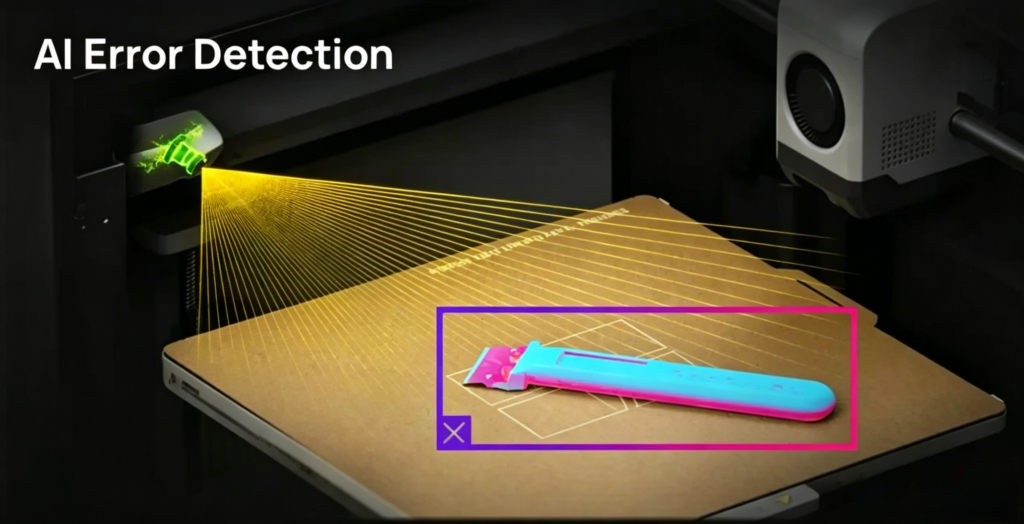
3D printing defect detection is non-contact quality inspection for additive manufactured products. It identifies typical defects including layer dislocation, unfused material, surface pits, warping, dimensional tolerance error and internal pores.
Inspection is divided into inline real-time layer monitoring during printing and offline full inspection after part forming, helping manufacturers cut scrap loss and guarantee finished part quality.
2. Lasers applied in 3D printing quality control
- 650nm red line laser module: Most popular for contour scanning. Projects uniform straight laser lines to capture surface profile and calculate layer height deviation. Ideal for plastic FDM component inspection.
- 850nm infrared line laser module: Higher anti-interference capacity against workshop ambient light, widely used for metal SLM printing online inspection.
- 830nm / 940nm speckle structured light laser module: Produces random speckle patterns for full 3D reconstruction of complex curved workpieces, used for finished-product full-size flaw checking.
- 450nm blue laser module: Short wavelength with high focusing precision, suited for tiny micro-defect detection on miniature precision parts.
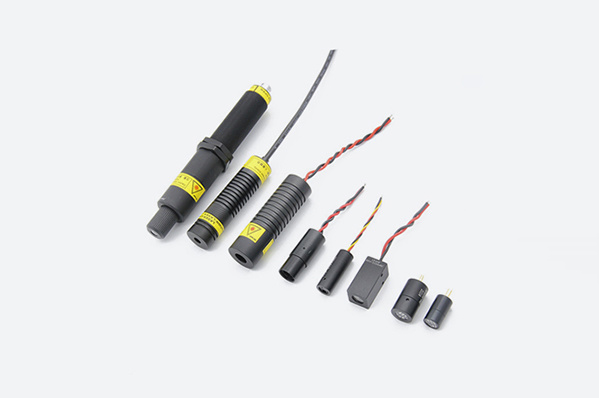
BU-LASER is the original manufacturer of laser diode module, providing you with high-quality OEM & ODM services with over 16 years of mature experience!
Add comment