SLS (Selective Laser Sintering)
In SLS (Selective Laser Sintering), blue diode lasers (around 435-460nm) are used as powerful, focused light sources to selectively melt and fuse fine polymer powder (like nylon) into solid 3D objects, layer by layer, by tracing cross-sections, with the laser’s wavelength optimized for absorption by dark powders, allowing for strong, functional parts without supports.
How the Blue Diode Laser Works in SLS
Preheating:
The system heats the entire build chamber and powder bed to just below the polymer powder’s melting point.
Powder Spreading: A thin layer of polymer powder is spread evenly across the build platform by a recoater.
Laser Sintering:
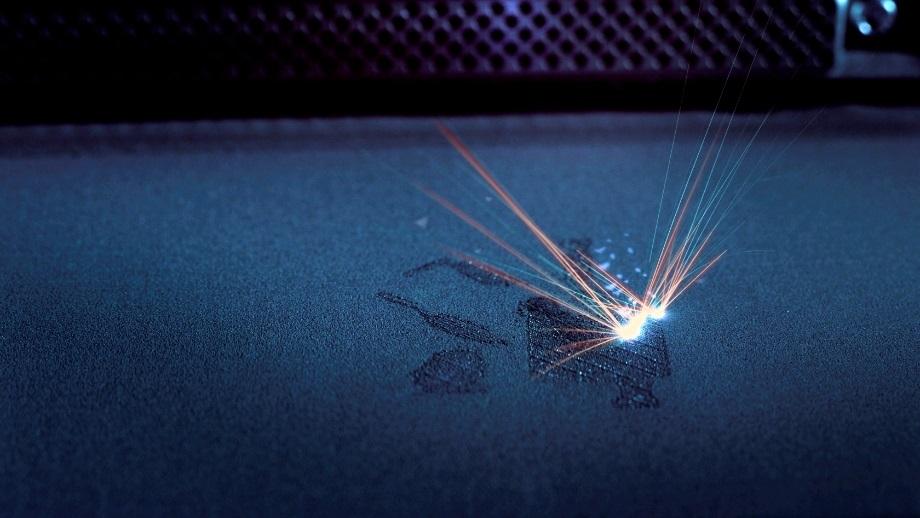
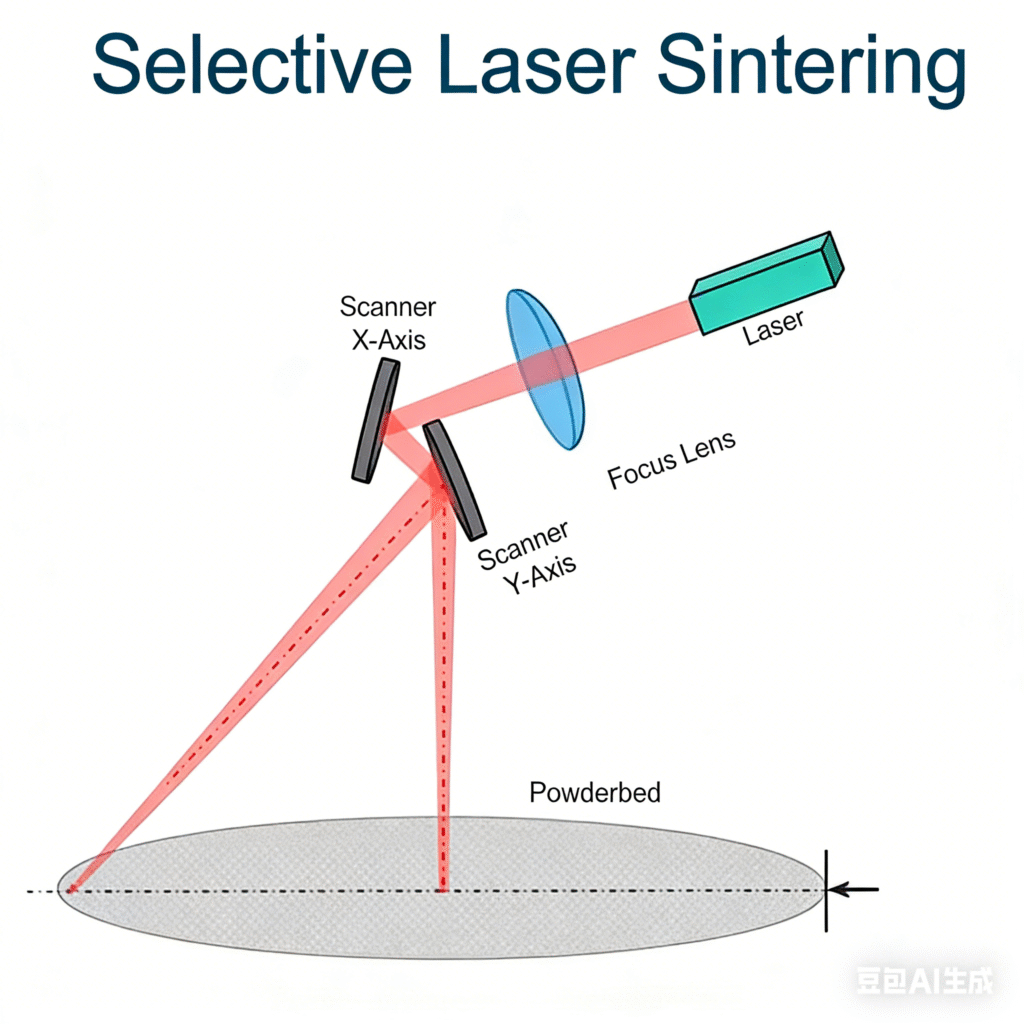
A high-power blue laser beam, directed by mirrors, traces the cross-section of the part for that layer.
Particle Fusion:
The laser energy melts the powder particles where it hits, causing them to sinter (fuse) together into a solid layer.
Layer by Layer:
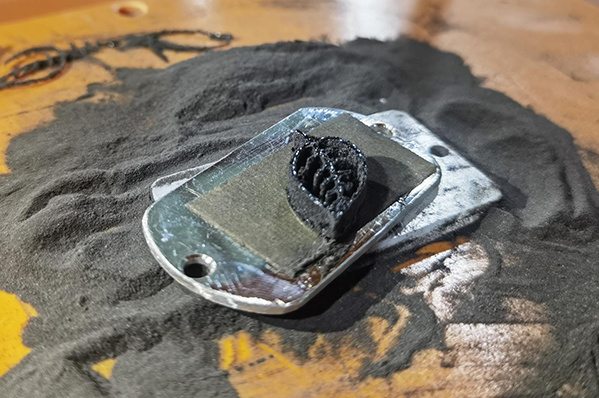
The platform lowers, the system adds new powder, and the process repeats until the object is complete—while the surrounding powder provides support.
Why Blue Diode Lasers?
Material Interaction:
Blue diode lasers (around 445nm) pair with specific, often darker polymer powders (e.g., certain nylons). These powders effectively absorb the wavelength, maximizing energy transfer for sintering.
Accessibility & Cost:
Blue laser systems can offer more affordable entry points into SLS technology, making it accessible for more users.
Precision:
They allow for high accuracy and detail, producing functional, strong parts with good mechanical properties.
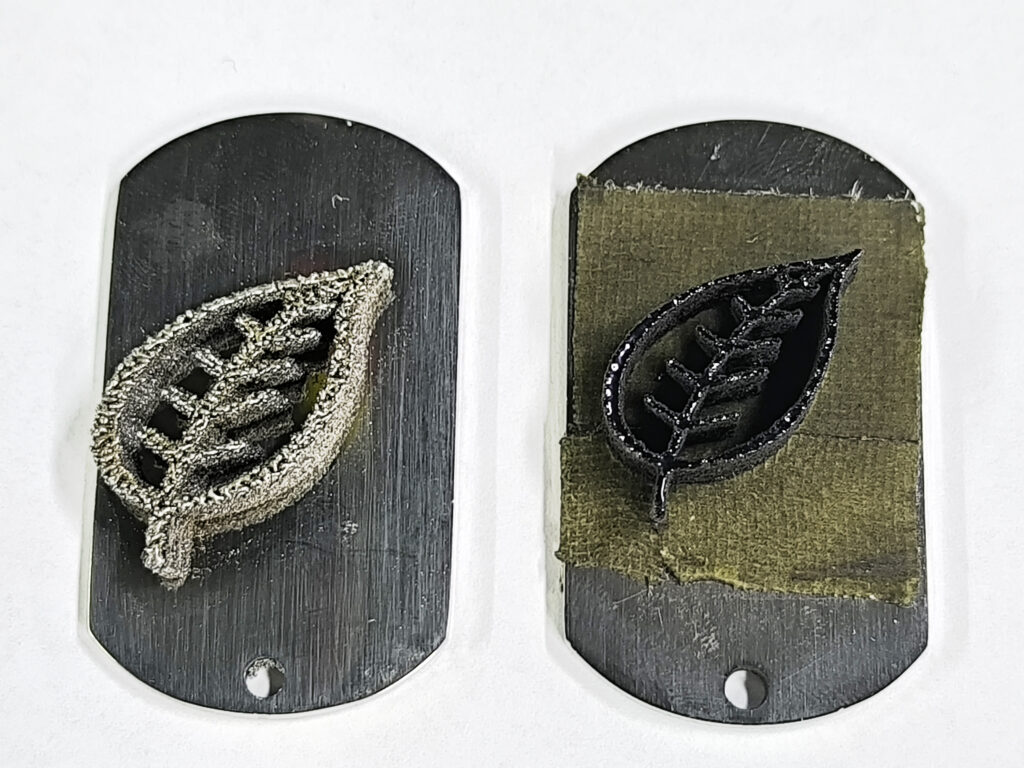
BU-LASER offers professional OEM/ODM services for lasers spanning 375nm–980nm. We provide 425nm–460nm blue diode lasers (1W–80W) — ideal for SLS 3D printing applications. For more details, contact Song Song at song@bu-laser.com.

Add comment