
Industrial positioning systems depend on stable optical alignment. A linear laser module 450nm is often used in machine vision, radar scanning, and marking systems where precision directly affects production quality.
In real factory environments, misalignment leads to measurement errors, inconsistent marking results, and reduced automation efficiency. Many systems fail because low-quality laser modules drift under temperature changes or produce unstable beam lines.
BU-LASER, a high-tech optoelectronic manufacturer with ISO9001:2015 certification and TUV, SGS, BV compliance, develops industrial laser modules from 375nm to 980nm. Its optical components are widely used in automation, sensing, and positioning systems requiring long-term stability.
This guide explains how a 450nm laser line module works and what engineers should evaluate before choosing one.
What Is a 450nm Laser Line Module?
A 450nm laser line module is a compact optical device that converts a blue laser beam into a straight projection line. Engineers use it for alignment, measurement, and positioning tasks in automated systems.
BU-LASER designs this type of module with precision optics to maintain consistent beam geometry in industrial environments.
Key functions include:
- Producing a stable blue reference line
- Supporting alignment in automation systems
- Improving visibility in inspection processes
- Enabling precise positioning in machine vision setups
Unlike mechanical guides, optical laser lines reduce physical contact and increase system flexibility.
Why 450nm Blue Laser Line Works Better in Industry
The 450nm wavelength provides strong visibility under ambient lighting conditions, which makes it suitable for factory floors and inspection lines.
Engineers often choose this wavelength because it improves contrast and reduces visual ambiguity during alignment tasks.
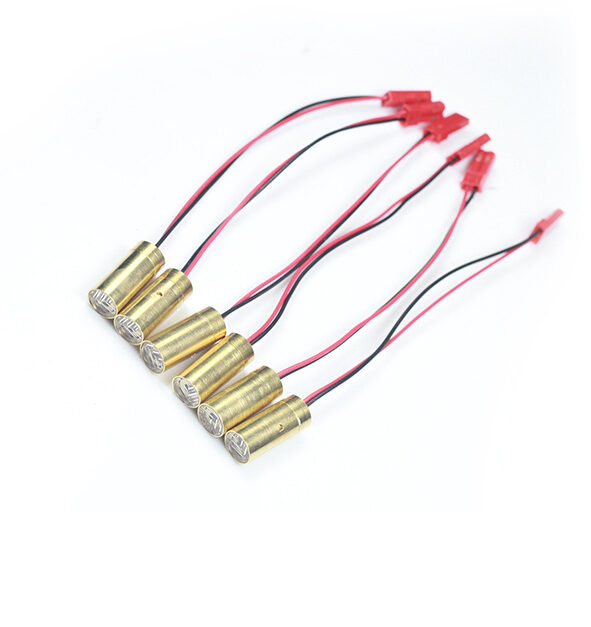
Advantages in real use:
- High brightness in well-lit environments
- Clear edge definition for measurement systems
- Stable performance in continuous operation
- Compatibility with vision-based inspection systems
These characteristics make it suitable for industrial alignment and positioning applications.
How a Laser Line Module Works in Industrial Systems
A laser line module integrates a semiconductor diode with optical shaping components. The system converts point emission into a controlled line projection.
Operation process:
- The module receives low-voltage power input (3.7V typical)
- The laser diode emits 450nm light
- The lens system reshapes the beam into a line
- The line is projected onto a target surface
- Machines use the reference line for alignment or detection
This process supports continuous industrial operation in automation environments.
450nm Laser Line Module vs Other Optical Modules
| Type | Strength | Limitation | Application |
|---|---|---|---|
| 450nm laser line module | High visibility and precision | Slightly higher power demand | Machine vision & alignment |
| Red laser module | Low cost and energy use | Weak visibility in bright light | Basic positioning |
| Infrared module | Invisible operation | Requires sensors for detection | Security and sensing |
The 450nm version is preferred when visual clarity and alignment accuracy matter more than cost efficiency.
Industrial Applications of Laser Line Modules
A linear laser module is widely used across automation and inspection systems.
Common applications:
- Machine vision inspection systems
- Industrial positioning and alignment
- Radar scanning calibration systems
- Laser marking production lines
- Robotics guidance systems
- Camera calibration and focusing systems
BU-LASER modules integrate into these systems where stable projection improves production accuracy.
How to Choose a Laser Line Module 450nm
Engineers should evaluate optical modules based on system requirements rather than only specifications.
Selection checklist:
- Required beam width and line sharpness
- Operating temperature range
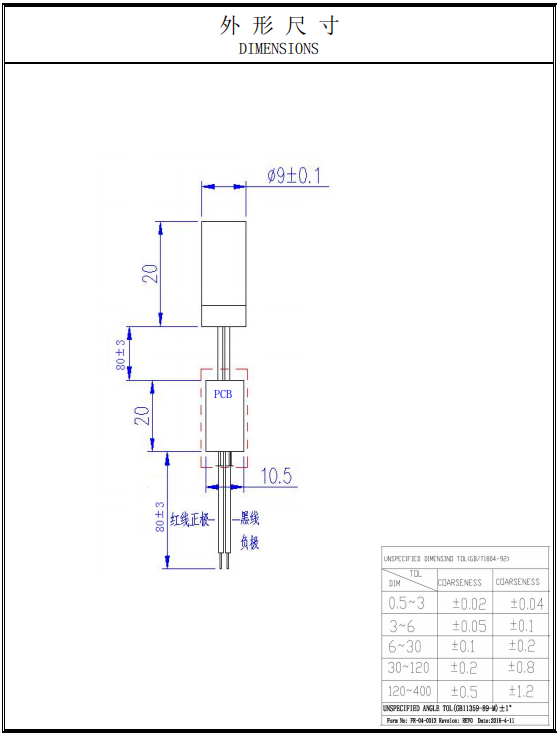
- Housing size for integration space
- Stability under continuous operation
- Lens angle compatibility with system design
BU-LASER also provides OEM and ODM customization for industrial integration requirements.
Certifications and Manufacturing Reliability
BU-LASER follows strict manufacturing and quality control systems to ensure product consistency.
- ISO9001:2015 quality management system
- TUV certification for industrial safety compliance
- SGS inspection standards
- BV manufacturing verification
- OEM/ODM production capability
These standards support global industrial applications in automation and optical systems.
FAQ
1. What is a 450nm laser line module used for?
It is used for machine vision, alignment systems, positioning, and industrial inspection.
2. Why choose 450nm instead of red laser?
450nm offers stronger visibility and better contrast in bright industrial environments.
Conclusion
A linear laser module 450nm improves precision in industrial alignment, machine vision, and positioning systems. With stable output and strong visibility, it supports reliable automation performance. BU-LASER provides certified OEM/ODM laser solutions designed for consistent industrial use and long-term operational stability in demanding environments.


Add comment